The importance of questioning
Pearamon Tulavardha
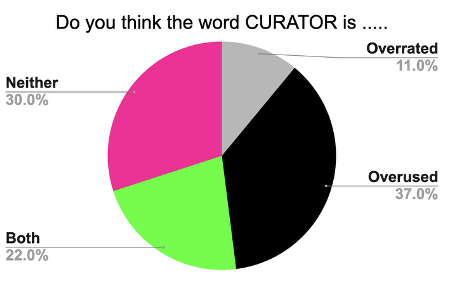
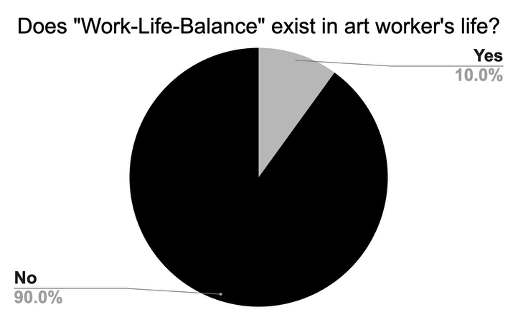
These questions and answers appeared in the story section of ‘Memeseum of Contemporary Art BKK,’ a meme account I made on Instagram. The name itself is a play on the word 'museum,' as this account acts as an online jester in the art scene, making fun yet reflecting critical voices to the scene itself, all of these through memes, a medium understandable exclusively online. Although I intended for it to be a casual space for a little fun and inside joke, it grew into a community within an industry full of pressure and oppression for artists and workers alike. I decided to expand the approach of memeseum with an intention to make art criticism easier that people can freely voice their thoughts on art and art institutions. Yet I ponder how this simple form of criticism could still retain its criticality, yet is relevant to many.
The Chaidai project became a collaborative test drive for this, prompting me to revisit my previous memes and writings. Since I started this meme account, I noticed that humor is a powerful way to connect people and a good starting point for a conversation. As I kept posting, people started sending me their own memes to share, and when I posted questions, people would always respond. Not only in the online community, but I also realized that asking questions about and around art has been embedded within my work for these past years. Therefore, I decided to ask questions to this community using the words provided in Chaidai archive to put them to use and get responses from people; what they think about the word, how they feel about the word, how they would rate the word, whether the category is real, or whether they have experienced what that word refers to. In an industry where your identity is often defined by your identity and which artists, groups, or institution you are affiliated with, I decided to post all answers anonymously to maintain the privacy and honesty of the answers, since I have once kept this account anonymous as well.
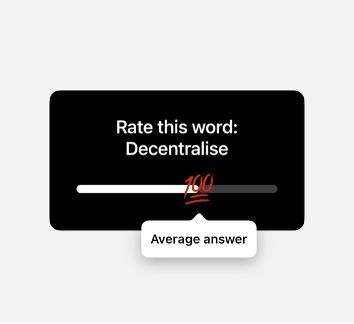
This became a short activity that lasted only 24 hours on Instagram story as the function only allows this limited period. The questions are in simple form to answer from rating the word, answering in emojis, or choosing between one or the other. However, within that short period, over 50 people have pitched in their answers, some are extreme, and some are mild. The results shown are both expected and unexpected.
Although these questions may seem unserious and comical, the answers stand as proof that the art scene, especially younger generations, are eager to discuss the issues which may be considered too small to be published in an official news journal, academic paper, let alone a written article. This is where memes and short interactive functions in online platforms can be the perfect medium for such small topics. Memes are fast, they work well for responding to short events or small observations. They are also a language that people understand but can also be interpreted in many ways, just like art.
Questioning becomes a starting point to uncover the hidden agenda and agency behind art. The unheard hush-hush became both a guiding and warning to let the community know that they are not facing some sort of issues alone, and that bonding and creating community may be the first step to leverage power imbalance and hierarchies in the art world.